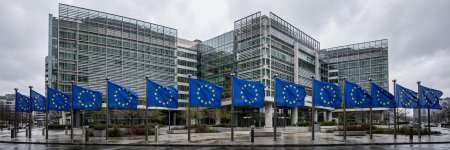
European leaders gathered in Brussels on Thursday for a two-day European Council summit, arriving with sharply differing views on the bloc's next long-term budget while facing decisions on continued support for Ukraine, energy prices and economic competitiveness.
Net contributors push back
Several leaders openly opposed the proposed multiannual financial framework for 2028–2034 as they arrived for the meeting. Dutch Prime Minister Rob Jetten called the Irish presidency's draft "not good enough," arguing it should be smaller and refocused on competitiveness, security and future welfare. Swedish Prime Minister Ulf Kristersson said a roughly 60 per cent increase in Sweden's net contribution was "simply not acceptable," calling it a no-go zone. German Chancellor Friedrich Merz is leading the group of net contributors demanding major cuts and a restructuring of spending around security and competitiveness.
Ukraine support on the agenda
Jetten also urged European countries to increase financial and military backing for Ukraine, saying too many member states were lagging. The summit agenda, published by the European Parliament, includes the long-term budget, action to strengthen Europe's economic competitiveness, energy prices, continued support for Ukraine, the situation in the Middle East, European defence and security, migration management and EU enlargement.
Parliament's own budget rapporteurs had already firmly rejected the draft negotiating position emerging from the Council in a statement issued on October 10, setting up a tense negotiation that Kristersson questioned could conclude before year's end.
What's at stake
The budget battle comes as the bloc juggles domestic spending pressures with the cost of backing Kyiv. EU leaders were also set to discuss rising energy prices and measures to counter competition from Chinese exports, underscoring how the summit has become a stress test for European unity on both economic and security fronts.
Sources:
ANews: EU leaders divided over bloc's next long-term budget ahead of summit
European Parliament: press kit for the European Council of 15–16 October 2026
Net contributors push back
Several leaders openly opposed the proposed multiannual financial framework for 2028–2034 as they arrived for the meeting. Dutch Prime Minister Rob Jetten called the Irish presidency's draft "not good enough," arguing it should be smaller and refocused on competitiveness, security and future welfare. Swedish Prime Minister Ulf Kristersson said a roughly 60 per cent increase in Sweden's net contribution was "simply not acceptable," calling it a no-go zone. German Chancellor Friedrich Merz is leading the group of net contributors demanding major cuts and a restructuring of spending around security and competitiveness.
Ukraine support on the agenda
Jetten also urged European countries to increase financial and military backing for Ukraine, saying too many member states were lagging. The summit agenda, published by the European Parliament, includes the long-term budget, action to strengthen Europe's economic competitiveness, energy prices, continued support for Ukraine, the situation in the Middle East, European defence and security, migration management and EU enlargement.
Parliament's own budget rapporteurs had already firmly rejected the draft negotiating position emerging from the Council in a statement issued on October 10, setting up a tense negotiation that Kristersson questioned could conclude before year's end.
What's at stake
The budget battle comes as the bloc juggles domestic spending pressures with the cost of backing Kyiv. EU leaders were also set to discuss rising energy prices and measures to counter competition from Chinese exports, underscoring how the summit has become a stress test for European unity on both economic and security fronts.
Sources:
ANews: EU leaders divided over bloc's next long-term budget ahead of summit
European Parliament: press kit for the European Council of 15–16 October 2026